

Penthouse Interior Design Ideas for Dubai Homes in 2026
A penthouse in Dubai is not like any other apartment. The ceiling heights are different. The windows are bigger. The views are the main feature. And because of all that, you cannot design a penthouse the same way you would design a flat on the 8th floor.
The challenge is making a large, high-ceilinged space feel warm and lived-in without losing the drama that makes it a penthouse. Get it wrong and you end up with a space that feels like a hotel lobby. Get it right and you have something people remember the moment they walk in.
Here are the design ideas that work best for Dubai penthouses right now, based on what we see across projects, trends, and what the city’s architecture actually calls for.
Start with the Views
In a ground-floor villa, you design around the rooms. In a penthouse, you design around the windows.
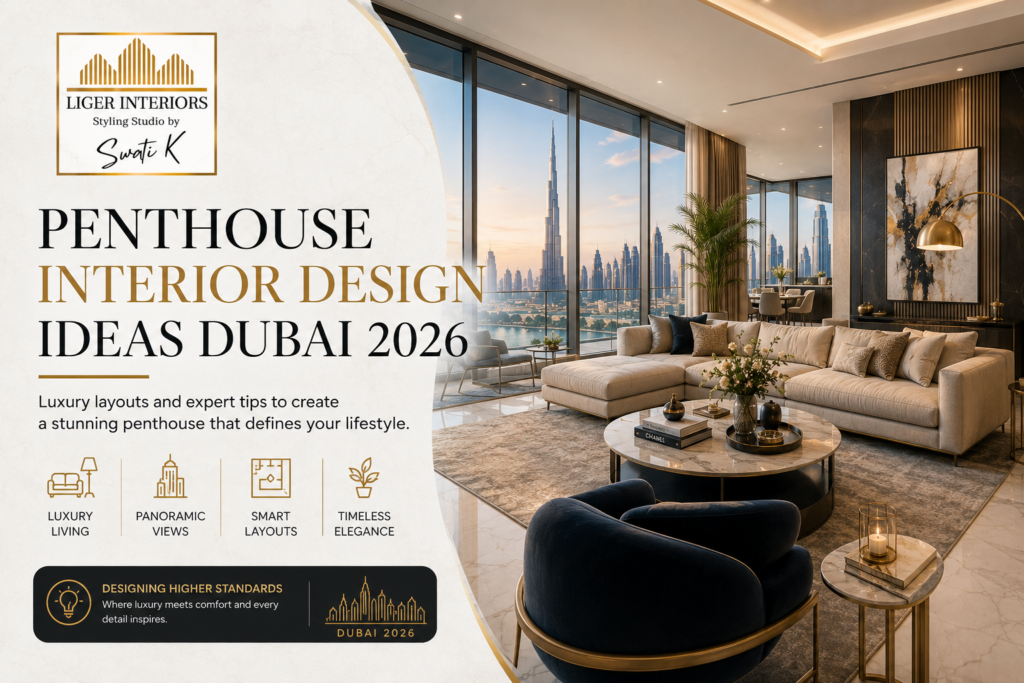
Floor-to-ceiling glass is the single most valuable feature of any Dubai penthouse. Whether you are looking at the Burj Khalifa, the Marina skyline, or the Palm coastline, those views are what you paid for. Your interior should frame them, not compete with them.
Keep window walls clear. No tall furniture in front of the glass. No heavy curtains that block the view during the day. Use sheer curtains or motorised blinds that tuck away completely. If you need privacy at night, layer a blackout roller behind the sheer.
Arrange your main seating so it faces the view. The sofa, the dining table, the reading corner. People will naturally look toward the windows, so position the best seats accordingly.
Frameless glass doors leading to the terrace blur the line between inside and outside. If your penthouse has a terrace, treat the glass wall as a connection point, not a boundary.
Open Layouts That Actually Work
Most penthouses come with an open-plan layout. One large space for living, dining, and kitchen. It looks impressive on the floor plan, but living in a completely open space can feel disconnected if you do not define zones.
You do not need walls to create zones. You need visual separation.
A change in flooring material between the kitchen and living area creates a natural boundary. A low-back sofa placed at an angle separates the living area from the dining space. A pendant light cluster over the dining table tells your eye where one zone ends and another begins.
Rugs are useful here. A large rug under the living area furniture group anchors that section of the room. Another under the dining table defines the eating area. The open feel stays, but each zone has its own identity.
For penthouses with double-height ceilings, vertical elements help fill the space without cluttering it. A tall bookshelf, a floor-to-ceiling feature wall, or a piece of oversized artwork scaled to the ceiling height.
Material Choices for a Luxury Feel
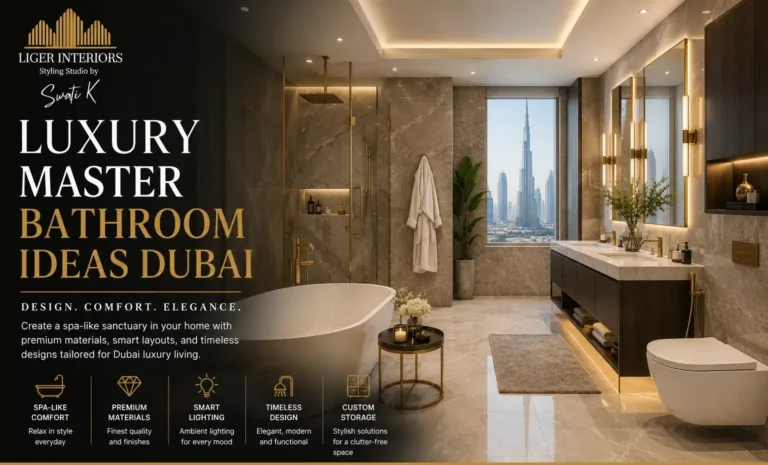
Marble. It is almost expected in a Dubai penthouse. Use it on the floors in the main living area and entrance. Book-matched marble on a feature wall creates a statement. But be selective. Marble everywhere starts to feel cold. Use it where it has impact and switch to warmer materials in bedrooms.
Natural wood. Engineered wood or wood-look porcelain adds warmth that marble cannot. In bedrooms, a wood floor feels softer underfoot. Wood panelling on a wall or ceiling adds texture without weight.
Metal accents. Brass, gold, and matte black hardware are all popular in Dubai penthouses right now. Cabinet handles, light fixtures, mirror frames, furniture legs. A consistent metal finish running through the space ties everything together.
Glass. Internal glass partitions, glass balustrades on staircases, and frameless shower screens all help maintain the open, light-filled feeling.
Stone countertops. In the kitchen, engineered quartz or sintered stone (Dekton, Neolith) handles daily use better than natural marble. Save the marble for the bathroom vanity or the living room feature wall.
Lighting Design Matters More in a Penthouse
In a regular apartment with 2.7m ceilings, a few downlights and a pendant do the job. In a penthouse with 3.5m to 5m ceilings, you need a proper lighting plan or the space feels dark and cave-like after sunset.
Layer your lighting. Ambient (general), task (reading, cooking), accent (highlighting artwork or features), and decorative (a statement chandelier or pendant cluster).
Scale up your fixtures. A small pendant that suits a standard apartment disappears in a penthouse. Choose fixtures proportional to the ceiling height. A large cluster of glass pendants over a dining table or a sculptural chandelier in the entrance makes the scale feel intentional.
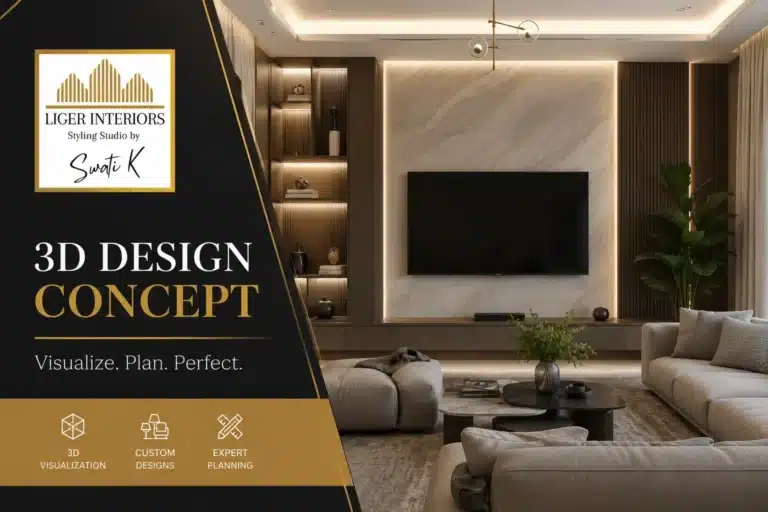
Cove lighting in false ceilings. Warm LED strips hidden in ceiling channels wash the walls with soft light and make high ceilings feel cosy instead of empty.
Smart lighting control. Scenes you can trigger from your phone or a wall panel. A “movie” scene that dims everything. A “dinner” scene with warm accent lighting. A “morning” scene that brings up the natural light blinds and adds gentle overhead light. In a penthouse, lighting control is not a luxury. It is how you make the space liveable.
Terrace and Outdoor Living
If your penthouse has a private terrace, do not leave it empty. A well-furnished outdoor area adds usable living space and photographs beautifully for resale or rental listings.
Furniture. Weather-resistant loungers, a dining set, or a daybed. Choose materials rated for outdoor use in Dubai (aluminium frames, Sunbrella fabric, teak or synthetic rattan). Regular indoor furniture will fade and deteriorate in the sun within months.
Shade. A pergola, retractable awning, or large umbrella is essential for daytime use between April and October. Without shade, the terrace is unusable for half the year.
Plants. Container plants add life and colour. Choose heat-tolerant species: bougainvillea, frangipani, jasmine, or succulents. Automatic drip irrigation keeps them alive during summer when you forget to water them (everyone forgets).
Lighting. String lights, floor lanterns, or recessed LED strips along the edges. An evening terrace with the skyline behind it is one of the best features a Dubai penthouse can offer.
Staircase Design for Duplex Penthouses
If your penthouse is a duplex, the staircase is not just a way to get upstairs. It is a design feature that sits in the middle of your living space and gets seen every day.
Floating stairs (cantilevered from the wall) with glass balustrades feel light and modern. They work well in contemporary Dubai interiors and keep the open feel of the space.
Winding or spiral staircases add drama but take up less floor area. They work in smaller duplex penthouses where a straight flight would eat too much space.
Materials matter. Wood treads with metal stringers, marble steps with glass rails, or solid stone. Pick materials that match the rest of the penthouse. If the living area is marble, continue the marble onto the stair treads.
Under-stair lighting. LED strips under each tread or along the stringer create a floating effect at night and double as accent lighting for the living area.
Smart Home Integration
Dubai penthouse buyers expect technology built in, not bolted on.
Motorised blinds and curtains. Controlled by phone, voice, or wall panel. Set them on a timer so they open with sunrise and close at sunset. In a penthouse with wall-to-wall glass, manual blinds are impractical.
Climate zones. Different temperatures in different rooms. The bedroom cooler for sleeping. The living area comfortable for guests. Smart thermostats learn your patterns.
Audio systems. Ceiling-mounted speakers in the living area, kitchen, and terrace. One system, controlled from your phone, with zone selection so you can play music in the kitchen without waking someone in the bedroom.
Automated entry. Smart locks, video intercom, and guest access codes. More relevant for penthouses used as short-term rentals, but increasingly standard in owner-occupied homes too.
The key is to plan the wiring and infrastructure during the fitout, not after. Retrofitting smart home systems into finished walls and ceilings is expensive and messy.
Colour Palettes That Work in Dubai Penthouses
Warm neutrals. Cream, taupe, warm grey, and sand tones. These work with Dubai’s natural light and make large spaces feel inviting. Add depth with darker accents (charcoal cushions, a dark wood dining table, a black-framed mirror).
White and wood. Clean white walls with natural wood floors, furniture, and panelling. This Scandinavian-inspired look stays timeless and lets the view do the talking.
Bold accents. Emerald green, deep navy, burgundy, or burnt orange as accent colours in soft furnishings, artwork, and accessories. Against a neutral background, one strong colour adds personality without overwhelming.
Dark and dramatic. Charcoal walls, dark timber, bronze hardware. This works in penthouses with excellent natural light because the darkness is balanced by the windows. In a smaller, darker apartment it would feel claustrophobic.
Common Mistakes in Penthouse Design
Furniture too small for the space. A standard 3-seater sofa looks lost in a room with 4m ceilings and 60 sqm of floor area. Scale your furniture up. Oversized sectionals, large dining tables, and statement pieces.
Ignoring the ceiling. High ceilings are a feature. Use them. A false ceiling zone with lighting around the edges, a wood-clad ceiling section, or even just painting the ceiling a different tone from the walls. A flat white ceiling at 4 metres feels unfinished.
Too many styles. Because the space is large, people sometimes try to fit multiple design styles into different areas. The living area is modern, the bedroom is classical, the kitchen is industrial. It clashes. Pick one direction and carry it through the whole penthouse with variation in detail, not in style.
Forgetting about storage. Penthouses often have minimal built-in storage. Plan wardrobes, shoe storage, linen cupboards, and utility closets during the design phase, not after everything else is done.
How Liger Interiors Can Help
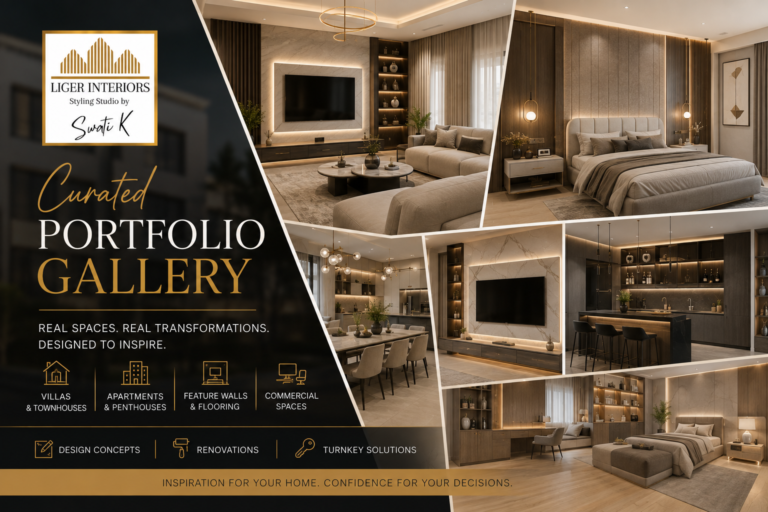
We design and renovate homes across Dubai, from compact apartments to full villas. If you have a penthouse that needs design direction, get in touch. We handle everything from the initial consultation to the final handover, including feature walls, joinery, flooring, lighting, and full fitout.
See our completed projects or learn how we work.
Questions People Ask
How much does penthouse interior design cost in Dubai?
Penthouse fitouts in Dubai range from AED 400 to AED 1,000+ per sqft depending on size, materials, and scope. A 2,000 sqft penthouse at mid-range finish runs AED 800,000 to 1,200,000. Premium and luxury fitouts with imported materials go higher.
What makes penthouse design different from apartment design?
Scale. Higher ceilings, bigger windows, larger rooms. Furniture, lighting, and artwork need to be proportioned to the space or they look undersized. Lighting design is more complex because standard downlights do not reach from 4-metre ceilings. And the views become a core part of the design plan.
What style works best for Dubai penthouses?
Warm contemporary is the most popular: clean lines, neutral palette, natural materials, and smart technology. Modern luxury with marble, brass, and statement lighting also works well. The style should complement the architecture and the views rather than compete with them.
How long does a penthouse fitout take?
3 to 8 months depending on scope. A furnishing and styling project (no construction) takes 6 to 10 weeks. A full fitout with custom joinery, lighting, and finishes takes 4 to 8 months. Duplex penthouses with staircase modifications take longer.
Should I furnish my penthouse for Airbnb or long-term living?
That depends on your plan. Airbnb furnishing prioritises durability and photography. Owner-occupied furnishing prioritises personal comfort and materials you love. The budget and approach are different. We offer both through our interior design and holiday home furnishing services.