
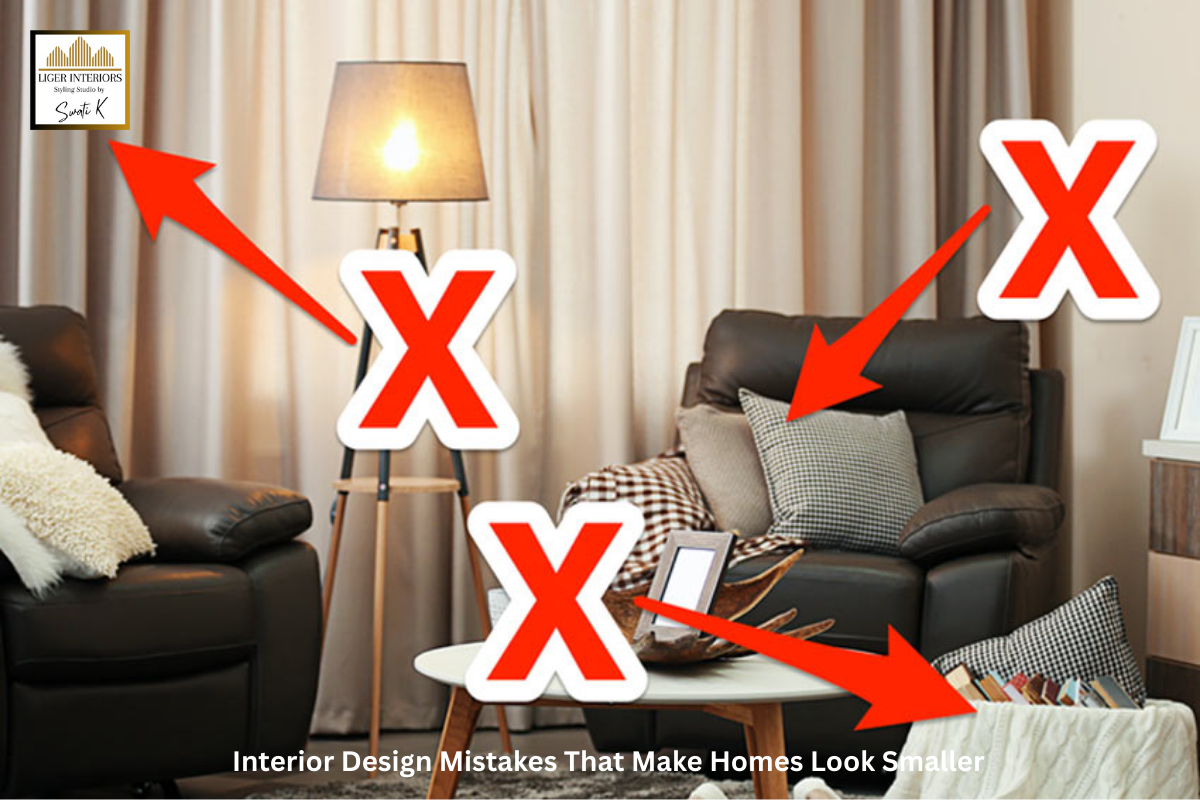
Why Your Home Feels Cramped (And How to Fix It)
Many Dubai homes feel smaller than they actually are. The problem isn’t always the size – it’s the design choices. Let’s look at common mistakes that steal space and how to avoid them.
1. Using Too Much Dark Paint Everywhere
The mistake: Dark colors on all walls make rooms feel like small boxes. They absorb light instead of reflecting it.
The fix:
- Use light colors on most walls
- Save dark colors for one accent wall
- Choose soft whites, creams, or light grays
- Paint ceilings white to make them look higher
Light colors bounce light around the room. This simple change can make a room feel twice as big. You don’t need to avoid dark colors completely – just use them carefully. One dark wall can add drama without shrinking the space.
2. Pushing All Furniture Against the Walls
The mistake: Many people think pushing furniture to the walls creates more space. Actually, it makes rooms look awkward and unwelcoming.
The fix:
- Pull furniture slightly away from walls
- Create small conversation areas
- Use rugs to define spaces
- Leave walking paths clear
Floating furniture creates depth and makes rooms feel larger. Try pulling your sofa 6-12 inches from the wall. This creates visual breathing room that tricks the eye into seeing more space.
3. Hanging Curtains the Wrong Way
The mistake: Short curtains or curtains hung at window height make ceilings look low and windows look small.
The fix:
| Wrong Way | Right Way |
| Curtains at window top | Curtains at ceiling |
| Curtains end at window bottom | Curtains touch the floor |
| Narrow curtain rods | Rods extend past window |
Hang curtains from ceiling to floor, even if your windows are small. Mount the rod close to the ceiling and let curtains puddle slightly on the floor. This draws eyes upward and makes rooms feel taller.
4. Choosing Furniture That’s Too Big
The mistake: Oversized furniture eats up floor space and makes movement difficult. That giant sectional might look great in the showroom but overwhelm your living room.
The fix:
- Measure your room before buying anything
- Choose furniture with exposed legs
- Pick pieces that fit the room scale
- Consider apartment-sized furniture
Furniture with visible legs creates a sense of openness. Solid pieces that sit on the floor look heavy and make spaces feel crowded. Choose sofas and chairs that show some floor underneath.
5. Using Only Overhead Lighting
The mistake: Relying only on ceiling lights creates harsh shadows and makes rooms feel flat and small.
The fix:
- Add table lamps in corners
- Use floor lamps behind furniture
- Install under-cabinet lights in kitchens
- Add dimmers to all lights
Lighting layers:
- Overhead lights for general brightness
- Task lights for reading or cooking
- Accent lights to highlight features
- Natural light from windows
Multiple light sources at different heights create depth. This makes rooms feel more spacious and welcoming. Corners especially need light to prevent dark, cave-like feelings.
Top 10 Interior Design Elements Every Luxury Office in Dubai Should Have
6. Cluttering Surfaces with Too Many Things
The mistake: Counters, shelves, and tables covered with items make homes look messy and small. Visual clutter steals space just like physical clutter.
The fix:
- Follow the “less is more” rule
- Display only favorite items
- Use closed storage for most things
- Keep surfaces mostly clear
Clear surfaces make rooms breathe. Keep only 2-3 items on coffee tables. Group small items together instead of spreading them around. Your eye needs places to rest – blank space is good design.
7. Ignoring Vertical Space
The mistake: Focusing only on floor space while walls sit empty wastes valuable storage and display areas.
The fix:
- Install floating shelves high on walls
- Use tall bookcases that reach ceilings
- Hang artwork higher than you think
- Stack storage vertically
Draw eyes upward with tall elements. This makes ceilings feel higher and rooms feel bigger. Use the space above doorways and windows. Floor-to-ceiling storage holds more while using less floor space.
8. Blocking Natural Light
The mistake: Heavy curtains kept closed, furniture blocking windows, or dark window treatments prevent natural light from entering.
The fix:
- Use sheer curtains during the day
- Keep window areas clear
- Choose light-colored window treatments
- Clean windows regularly
Natural light is free and makes any space feel larger. Don’t block it. If privacy is needed, use top-down shades that cover bottom portions while letting light in above.
9. Using Too Many Different Colors and Patterns
The mistake: Multiple colors and busy patterns compete for attention. This visual chaos makes rooms feel smaller and messy.
The fix:
- Stick to 2-3 main colors
- Use patterns sparingly
- Keep large items neutral
- Add color through small accents
Simple color scheme:
- One main color (walls, large furniture)
- One accent color (pillows, artwork)
- Neutral base (floors, window treatments)
A calm color palette makes rooms feel peaceful and spacious. Save bold patterns for throw pillows that you can easily change.
10. Choosing the Wrong Size Rugs
The mistake: Tiny rugs floating in the middle of rooms make spaces look disconnected and smaller.
The fix:
- Choose rugs large enough for furniture
- Front furniture legs should sit on rug
- Leave 12-18 inches around rug edges
- Bigger is usually better
A properly sized rug anchors furniture and makes the room feel cohesive. Small rugs chop up floor space visually. One large rug works better than several small ones.
11. Neglecting Mirrors
The mistake: Missing the chance to use mirrors to reflect light and create the illusion of more space.
The fix:
- Hang mirrors opposite windows
- Use large mirrors, not tiny ones
- Consider mirrored furniture
- Place mirrors to reflect nice views
Mirrors are magic for small spaces. They double the visual space and bounce light around. A large mirror can transform a dark, small room into something that feels bright and open.
12. Creating Dead Corners
The mistake: Leaving corners dark and empty makes them feel like wasted space that adds nothing to the room.
The fix:
- Add a floor lamp and chair
- Install corner shelving
- Place a tall plant
- Use corner as display area
Every corner should serve a purpose. Dead space makes rooms feel inefficient. A simple floor lamp and small plant can activate a forgotten corner.
The Bottom Line: Think Light, Bright, and Open
Small spaces need smart design. Avoid these common mistakes and your home will feel much larger. Remember – it’s not about the square footage you have, it’s about how you use it.
Quick fixes to try today:
- Remove one piece of furniture
- Clear off cluttered surfaces
- Change to lighter curtains
- Add a mirror
- Improve lighting
These simple changes cost little but make big differences. Your home has more potential than you think.