
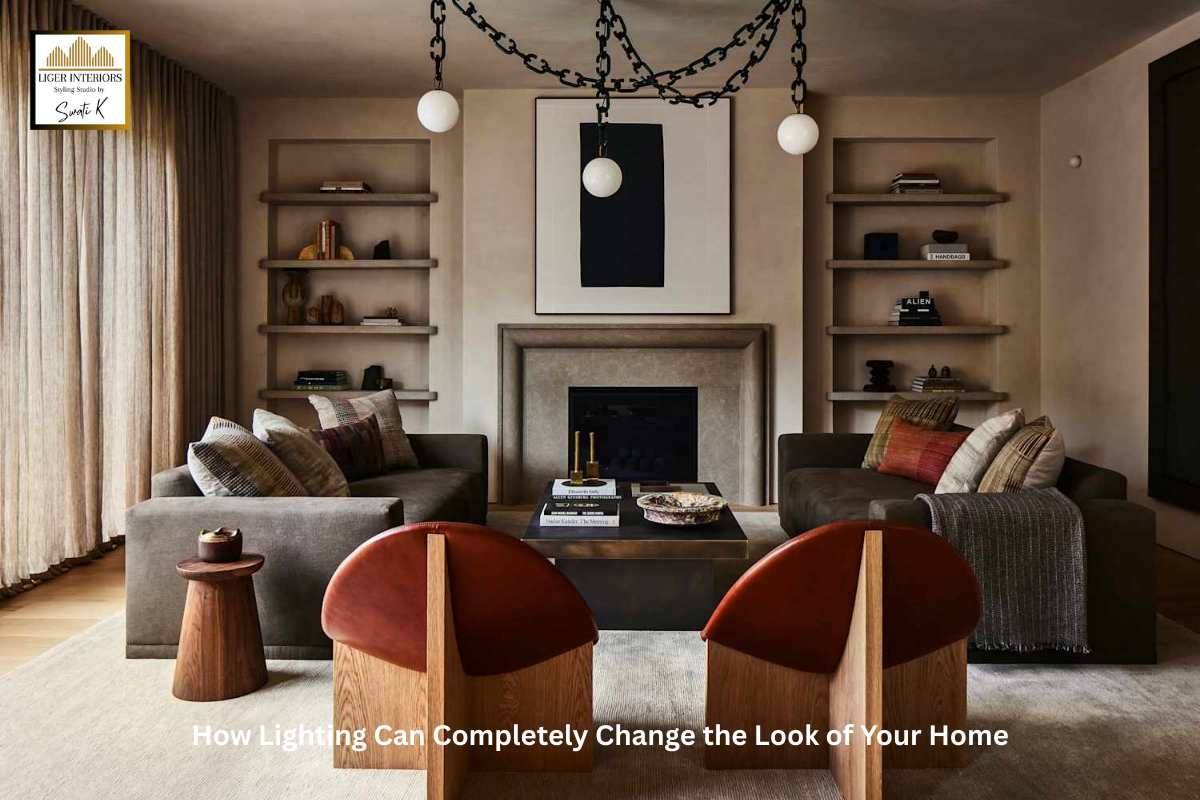
The Magic of Good Lighting
Lighting is the most powerful design tool in your home. It affects mood, makes spaces look bigger or smaller, and changes how colors appear. Good lighting transforms ordinary rooms into beautiful spaces. Let’s learn how to use light properly.
1. Why Lighting Matters So Much
Lighting does more than you think:
Most people focus on furniture and paint colors. They forget about lighting until the end. This is a big mistake. Lighting should be planned first, not last.
What good lighting does:
- Makes small rooms feel spacious
- Changes the mood instantly
- Highlights beautiful features
- Hides problem areas
- Makes colors look right
- Affects how you feel
The same room looks completely different with different lighting. Harsh overhead lights make rooms feel cold and unwelcoming. Warm layered lighting makes the same room feel cozy and inviting.
2. The Three Types of Lighting You Need
Every room needs three lighting layers:
Ambient lighting (general light): This is your main light source. It lights the whole room evenly.
Examples: ceiling lights, recessed lights, chandeliers
Task lighting (focused light): Bright light for specific activities like reading, cooking, or working.
Examples: desk lamps, under-cabinet kitchen lights, reading lights
Accent lighting (decorative light): Highlights artwork, plants, or architectural features. Creates atmosphere.
Examples: picture lights, track lighting, wall sconces
Why you need all three:
| Lighting Type | Purpose | Effect |
| Ambient | See the whole room | Functional, basic |
| Task | Do specific activities | Practical, focused |
| Accent | Create beauty | Emotional, atmospheric |
Rooms with only one type of lighting feel flat and boring. Combining all three creates depth and interest.
3. Natural Light is Gold
Maximize daylight first:
Natural light is free and makes everything look better. Work with natural light before adding artificial lights.
How to get more natural light:
- Use sheer curtains during the day
- Place mirrors opposite windows
- Keep window areas clear
- Choose light-colored walls
- Clean windows regularly
- Remove heavy drapes
Best mirror placement: Put mirrors on walls facing windows. They bounce light deeper into rooms. One large mirror works better than several small ones for reflecting light.
Window treatment tips: Hang curtains high and wide. This makes windows look bigger and lets in more light. Choose light fabrics that filter sun but don’t block it completely during the day.
4. Warm vs Cool Light Makes Huge Difference
Color temperature changes everything:
Light comes in different colors measured in Kelvin (K). This affects how rooms feel.
Light color guide:
- 2700K – Warm yellow (cozy, relaxing)
- 3000K – Soft white (comfortable, neutral)
- 4000K – Cool white (energizing, clean)
- 5000K+ – Daylight (harsh, clinical)
Best choices by room:
Living rooms and bedrooms: Use 2700K-3000K warm light. This creates relaxing, cozy atmospheres perfect for unwinding.
Kitchens and bathrooms: Use 3000K-3500K neutral white. Good for tasks but not too cold.
Home offices: Use 4000K cool white. Helps you stay alert and focused.
Garages and storage: Use 5000K+ bright daylight. You need to see clearly for tasks.
Never mix different color temperatures in the same room. It looks wrong and confuses your eyes.
5. Dimmer Switches Are Essential
Control your lighting:
Dimmer switches let you adjust light levels for different times and moods. They’re one of the best upgrades you can make.
Why dimmers matter: Bright lights in evening make it hard to relax. Dim lights in morning make it hard to wake up. Dimmers solve both problems.
Benefits of dimmers:
- Create different moods in same room
- Save energy (dimmed lights use less power)
- Extend bulb life
- Adjust for different activities
- Help with sleep routines
Where to install dimmers: Every room should have dimmers, especially bedrooms, living rooms, and dining rooms. Even bathrooms benefit from dimmable lights for relaxing baths.
Morning: bright lights help you wake up. Evening: dimmed lights signal bedtime. Movie time: very dim for perfect viewing.
6. Layer Your Lighting Properly
How to combine different lights:
Don’t rely on one overhead light. Use multiple light sources at different heights.
Lighting heights:
- Ceiling lights (overhead)
- Wall sconces (eye level)
- Table lamps (mid height)
- Floor lamps (variable)
- Accent lights (low or high)
Example living room setup: One ceiling light for general brightness. Two table lamps on side tables. One floor lamp in reading corner. LED strips behind TV for ambient glow.
This gives you many options. All lights on for cleaning. Some lights for entertaining. Few lights for relaxing. Complete control over the atmosphere.
7. Highlight Your Best Features
Use accent lighting strategically:
Direct light at things you want people to notice. Leave ordinary things in gentle shadow.
What to highlight:
- Artwork on walls
- Beautiful plants
- Architectural details
- Textured walls
- Collections or displays
- Bookcases
How to highlight: Use spotlights, track lighting, or picture lights aimed directly at the feature. The contrast between lit and unlit areas creates drama and interest.
Tip: Highlight three to five things maximum per room. Highlighting everything means highlighting nothing. Be selective.
8. Fix Common Lighting Mistakes
Mistakes that ruin good rooms:
Mistake 1 – Only overhead lighting: This creates harsh shadows and flat appearance. Add lamps at various heights.
Mistake 2 – Wrong size fixtures: Tiny chandelier in big room looks lost. Huge pendant in small room overwhelms. Measure before buying.
Mistake 3 – Ignoring corners: Dark corners make rooms feel smaller. Add floor lamp or wall sconce in corners.
Mistake 4 – Lights too bright: Overly bright rooms feel like hospitals. Use dimmers or lower wattage bulbs.
Mistake 5 – Forgetting task lighting: Reading in dim light strains eyes. Cooking in shadows is dangerous. Add focused task lights.
9. Special Lighting for Each Room
Bedroom lighting:
Goals: Relaxation and good sleep
Setup:
- Soft overhead light with dimmer
- Bedside lamps for reading
- Closet light for getting dressed
- No lights visible from bed when lying down
Avoid blue-toned lights in bedrooms. They interfere with sleep. Use warm 2700K bulbs only.
Kitchen lighting:
Goals: Safety and function
Setup:
- Bright ceiling lights
- Under-cabinet lights for counters
- Pendant lights over island
- Inside cabinet lights
Kitchens need bright light for safety while cutting and cooking. Use 3000K-3500K neutral white.
Bathroom lighting:
Goals: Accurate colors and tasks
Setup:
- Lights beside mirror (not just above)
- Shower light
- General ceiling light
- All lights should be dimmable
Lights above mirror only create shadows on face. Add lights on both sides of mirror for even illumination.
10. Smart Lighting Tips
Modern solutions:
Smart bulbs let you change color temperature and brightness from your phone. Create different scenes for different times.
Morning scene: Bright cool light to wake up
Evening scene: Warm dimmed light to relax
Movie scene: Very dim or colored accent lights
Party scene: Bright fun lighting throughout
Program scenes once, then activate with one button or voice command.
Light Transforms Everything
Good lighting makes cheap furniture look expensive. Bad lighting makes expensive furniture look cheap. It’s that powerful.
Quick lighting upgrade checklist:
- Replace old bulbs with warm 2700K LEDs
- Add dimmer switches to main rooms
- Place lamp in every corner
- Install under-cabinet kitchen lights
- Add bedside reading lights
- Put mirror opposite windows
Investment priority: Spend money on quality light fixtures in rooms you use most. These are investments you’ll enjoy every single day.
Remember: You can change lighting easily and affordably. Start with new bulbs and dimmers. See the difference. Then add more light sources gradually.
Proper lighting costs less than new furniture but makes bigger impact. It’s the easiest way to completely transform how your home looks and feels.